
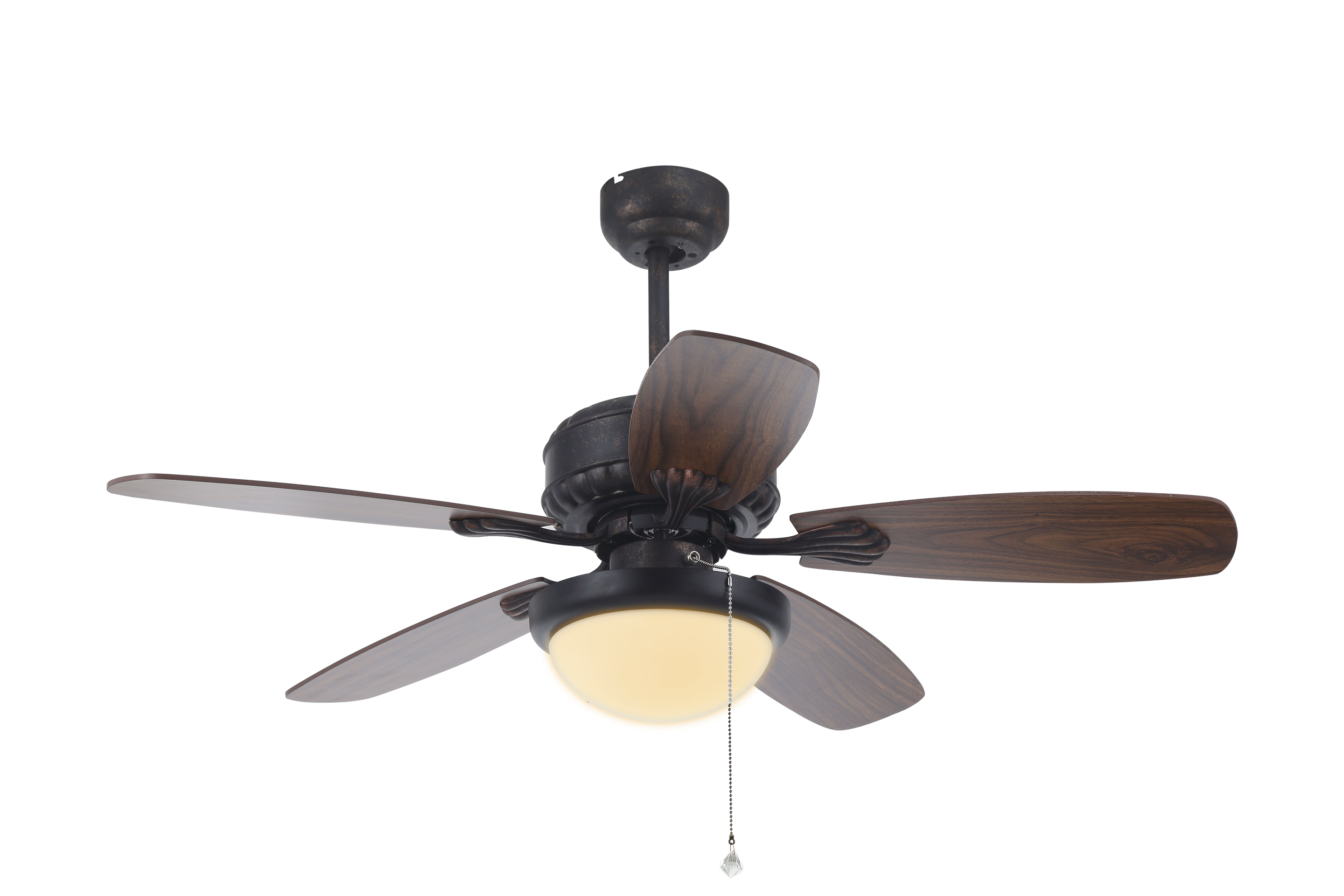
Ceiling fans are a common fixture in homes, offices, and public spaces worldwide, known for their ability to circulate air and provide comfort. However, the core function of the ceiling fan extends beyond merely spinning its blades. Understanding this function involves exploring the principles of air circulation, energy efficiency, and the overall impact on indoor climate control.
Air Circulation and Comfort
At its most fundamental level, the primary function of a ceiling fan is to facilitate air movement within a room. The rotation of the fan blades creates a breeze that enhances the sensation of coolness on the skin. This wind-chill effect occurs because moving air increases the rate of evaporation of perspiration from the skin, thereby making the human body feel cooler than the actual room temperature. This is particularly beneficial during warmer months when high temperatures can lead to discomfort and decreased productivity.
Complementing HVAC Systems
Ceiling fans are often used in conjunction with heating, ventilation, and air conditioning (HVAC) systems to improve their efficiency. By distributing conditioned air more evenly throughout a space, ceiling fans can help maintain a consistent temperature, reducing the workload on HVAC units. During the summer, the fan’s downdraft mode can aid in cooling by pushing cooler air downwards, while in the winter, the updraft mode can help distribute warm air that naturally rises to the ceiling, thereby enhancing heating efficiency.
Energy Efficiency and Cost Savings
One of the significant advantages of ceiling fans is their potential for energy savings. Operating a ceiling fan consumes significantly less electricity than running an air conditioner. By using a fan to complement air conditioning, individuals can set their thermostats several degrees higher without sacrificing comfort. According to the U.S. Department of Energy, homeowners can save as much as 15% on cooling costs by using ceiling fans in conjunction with air conditioning systems.
Enhancing Indoor Air Quality
Beyond temperature control, ceiling fans also play a role in improving indoor air quality. Proper air circulation helps prevent the buildup of indoor pollutants such as dust, pet dander, and volatile organic compounds (VOCs). This can be particularly important in homes with limited ventilation or in energy-efficient buildings designed to minimize air exchange with the outside environment. Ceiling fans help keep the air moving, which can reduce the concentration of pollutants and promote a healthier indoor environment.
Aesthetic and Functional Design
Modern ceiling fans come in a variety of designs, sizes, and features, allowing them to blend seamlessly into any interior décor while providing functional benefits. Many models include lighting fixtures, remote controls, and programmable settings, offering convenience and versatility. The aesthetic appeal of a ceiling fan can enhance the overall look of a room, making it a popular choice for homeowners and interior designers alike.
Environmental Impact
In addition to personal comfort and cost savings, the use of ceiling fans can have a positive impact on the environment. By reducing reliance on energy-intensive air conditioning, ceiling fans help lower overall energy consumption and greenhouse gas emissions. This makes them an eco-friendly option for individuals seeking to reduce their carbon footprint.
Conclusion
The core function of the ceiling fan encompasses more than just the mechanical act of blade rotation. By promoting air circulation, enhancing HVAC efficiency, improving indoor air quality, and offering energy savings, ceiling fans serve as a multifaceted tool in maintaining a comfortable and healthy indoor environment. Whether used in homes, offices, or public spaces, ceiling fans provide a simple yet effective solution for improving climate control and contributing to overall energy efficiency.